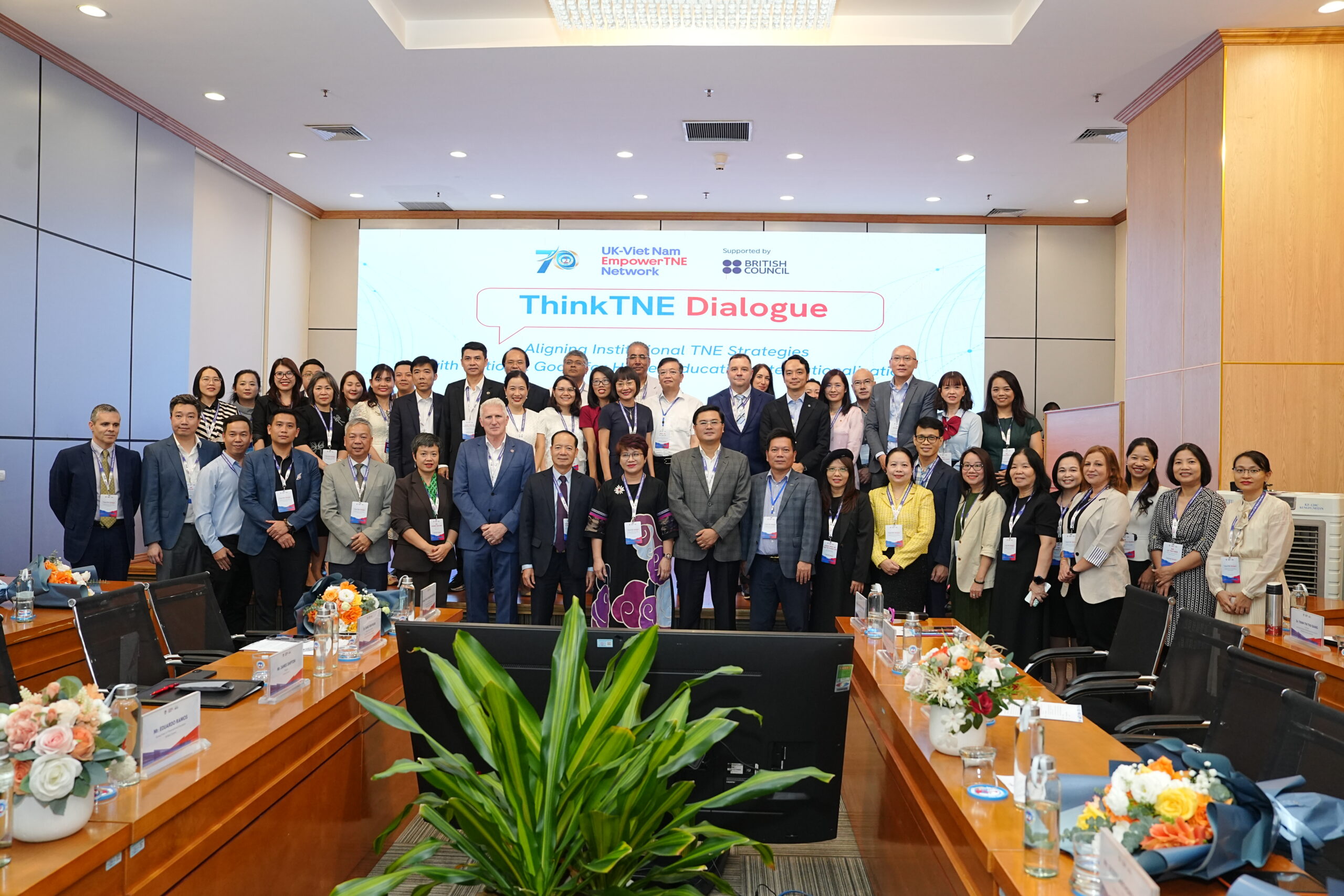
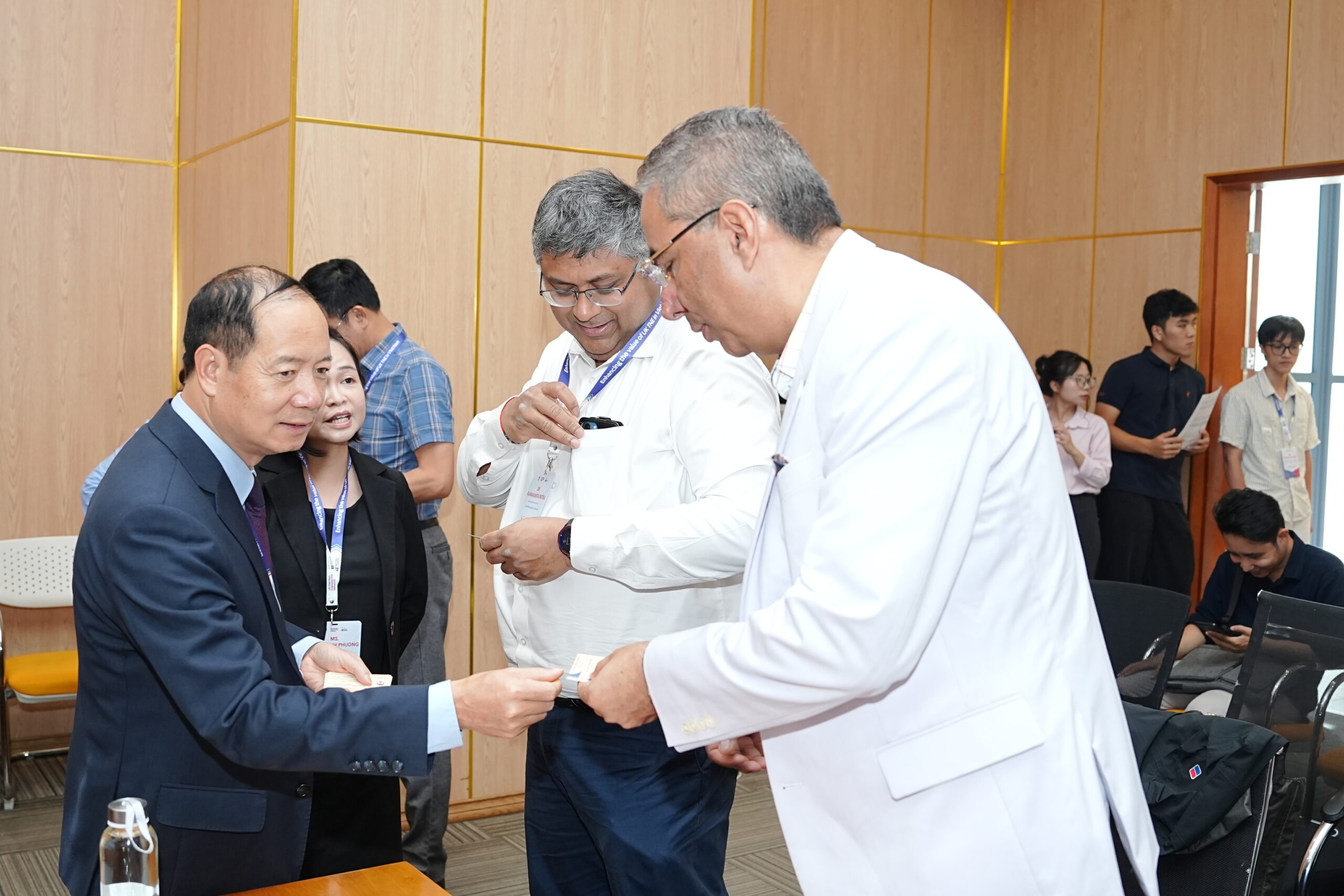
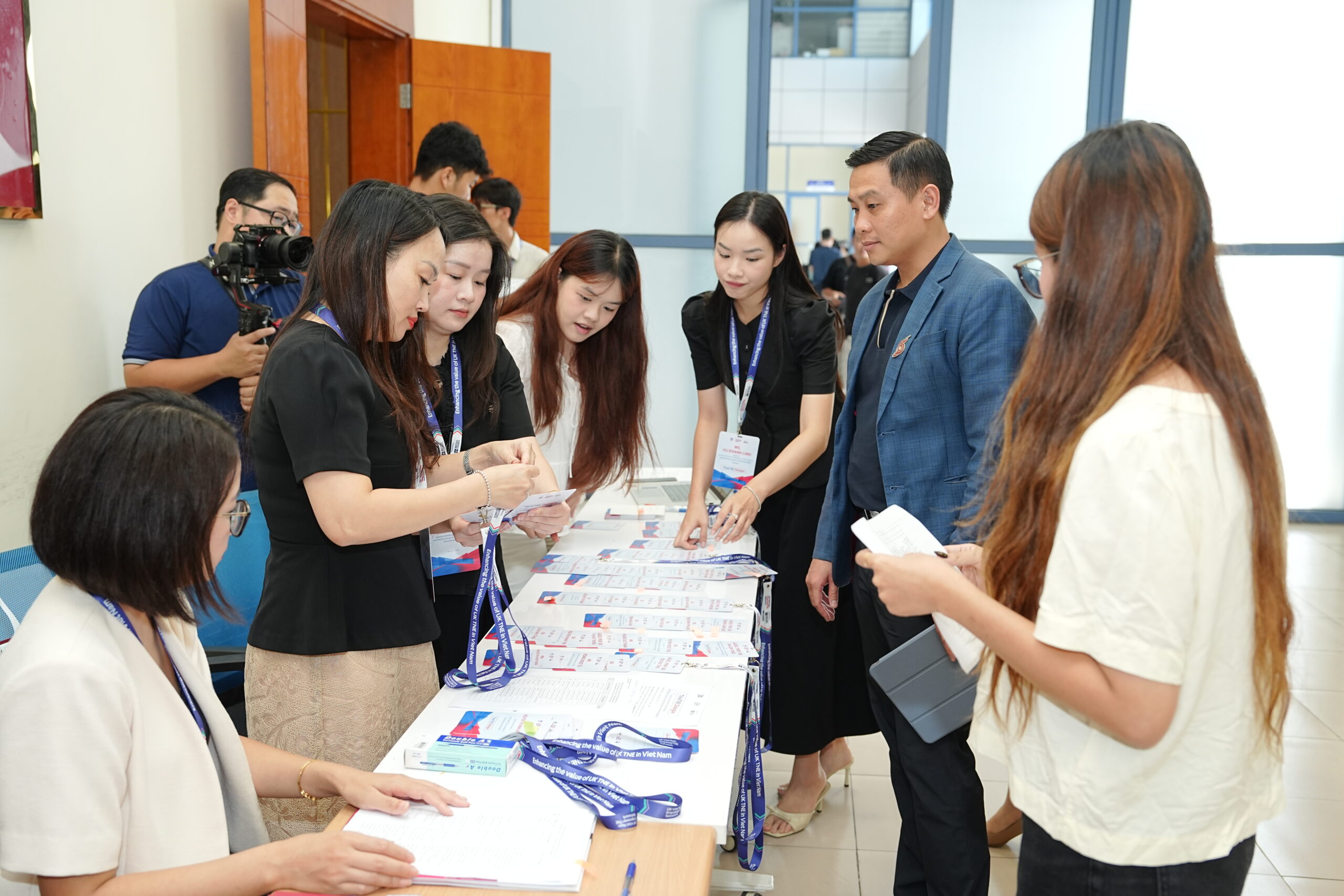
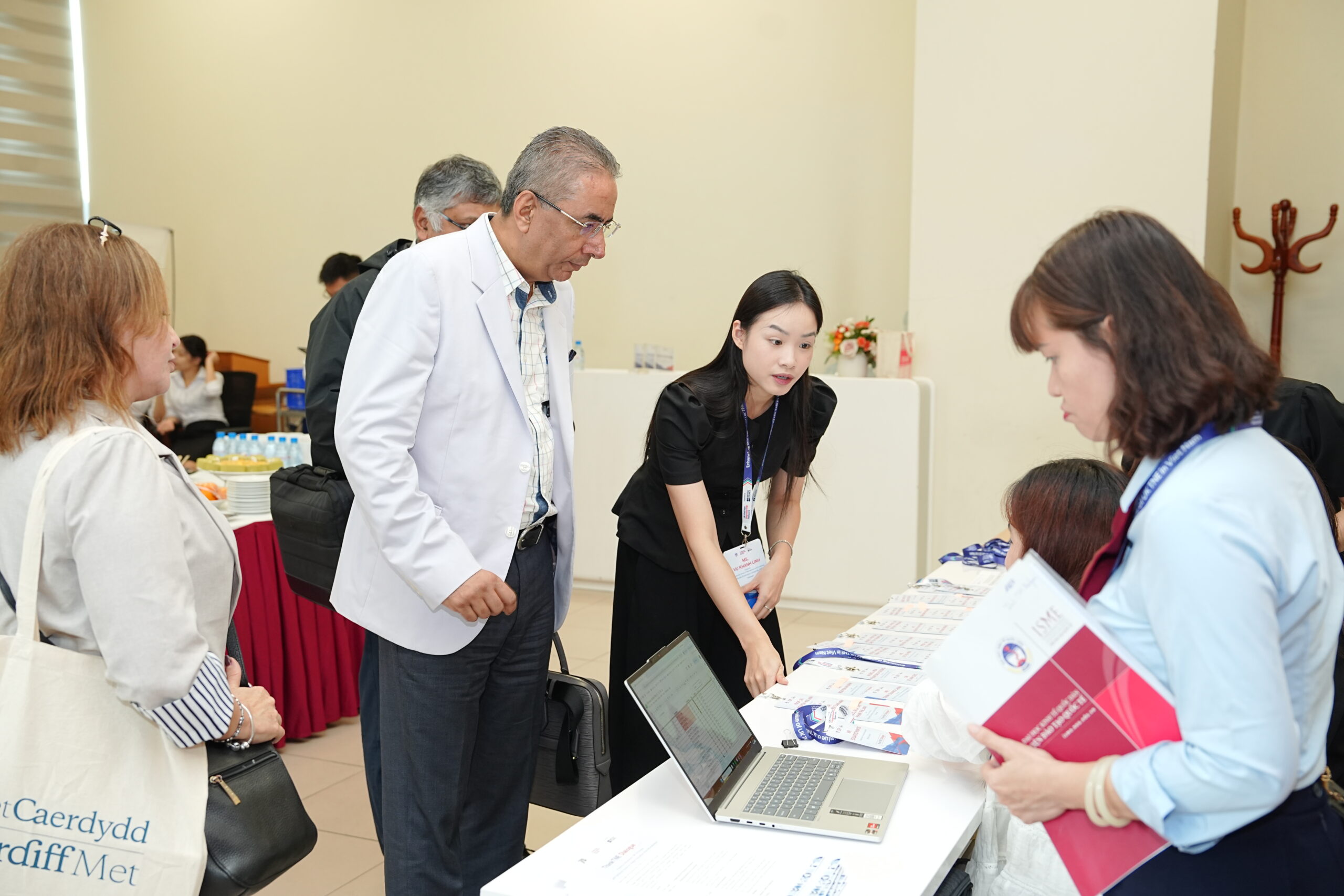
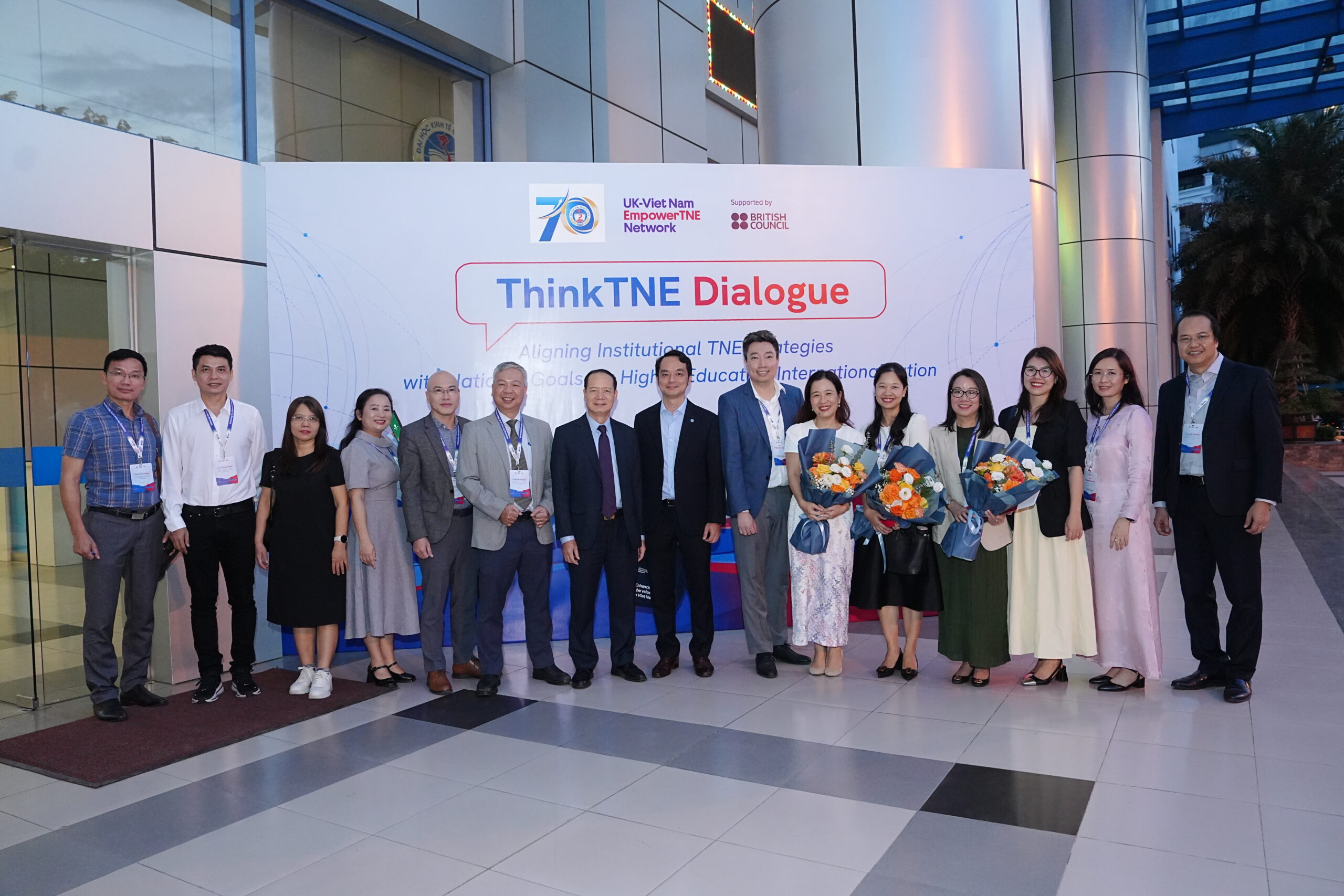
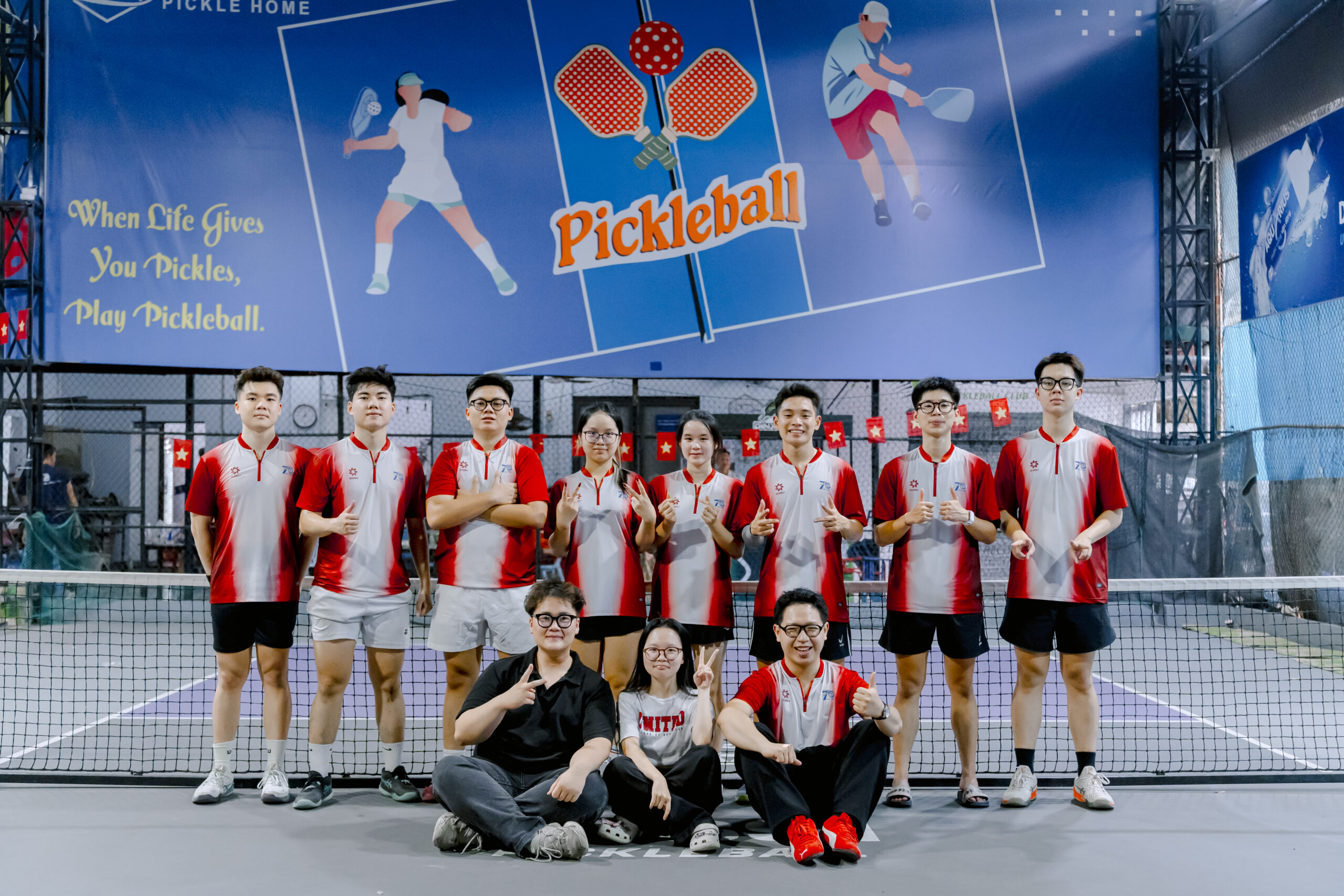
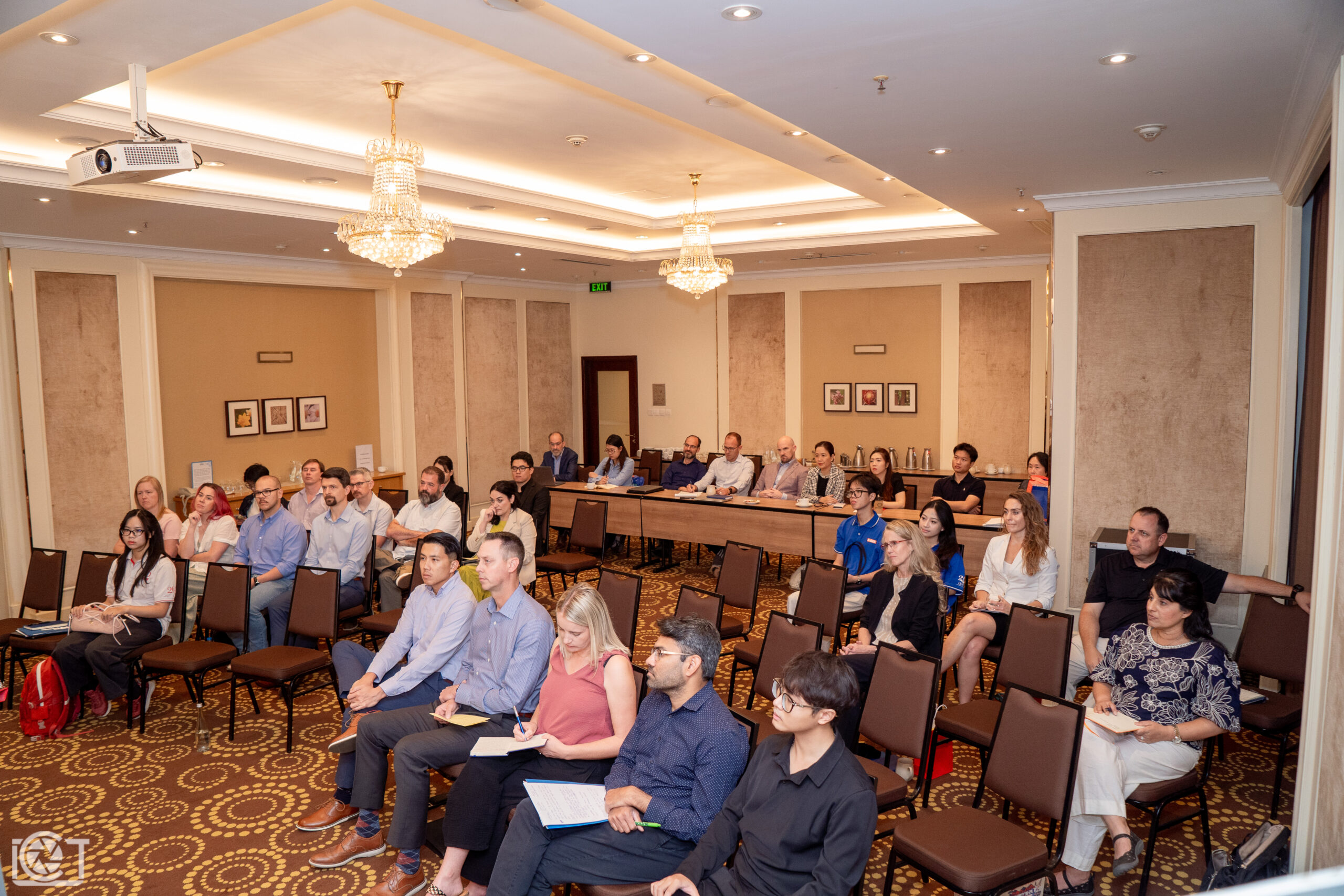
On 6th November 2026, at National Economics University (NEU), the International school of Management and Economics – ISME, in collaboration with the UK–Vietnam EmpowerTNE Network, organised ThinkTNE Dialogue 2026, an event sponsored by the British Council, under the theme “Aligning Institutional TNE Strategies with National Goals for Higher Education Internationalisation”. The Dialogue brought together representatives from education authorities, university leaders, international experts, educational partners and businesses from Viet Nam and the United Kingdom to exchange perspectives on the development of Transnational Education (TNE) in Viet Nam.
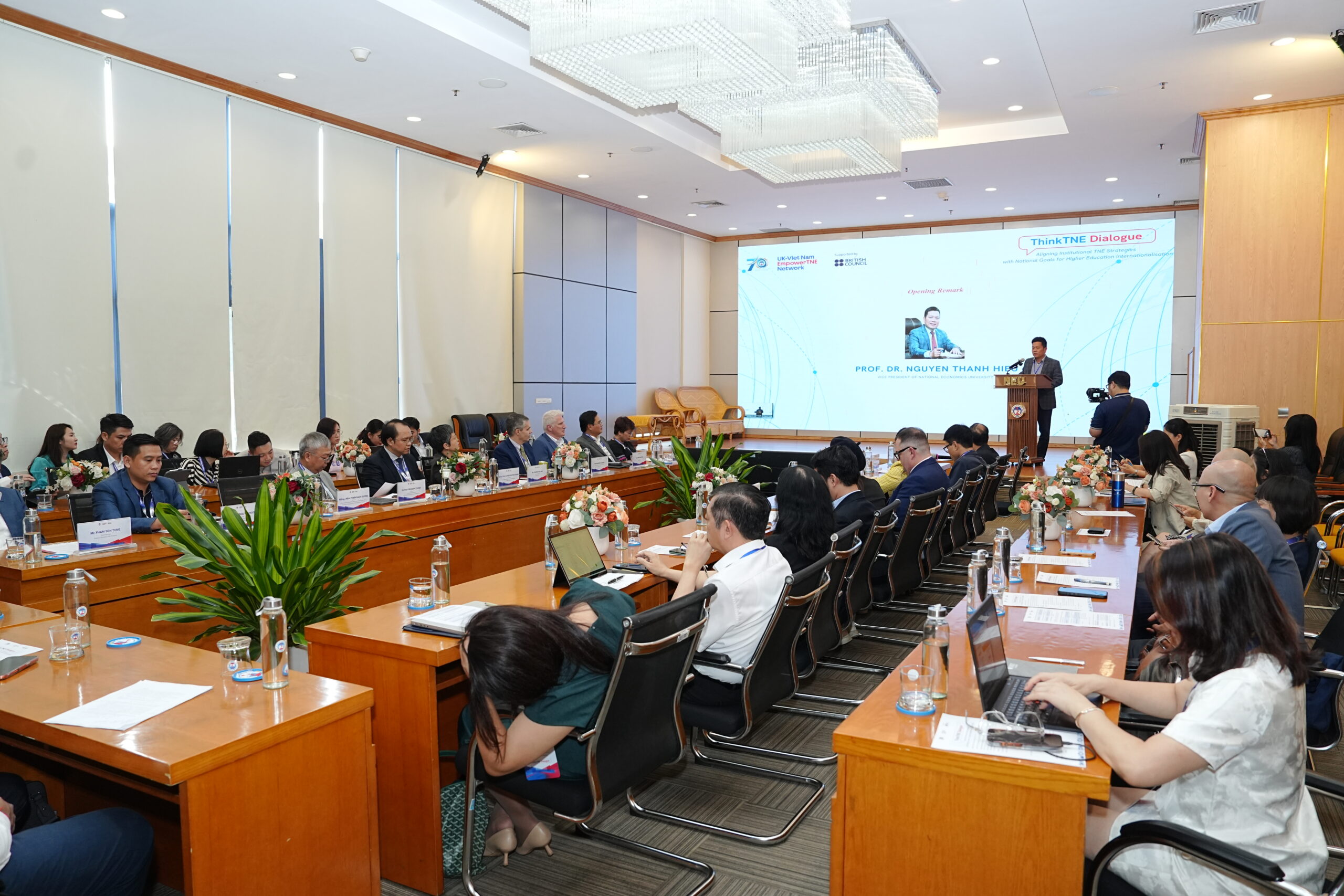
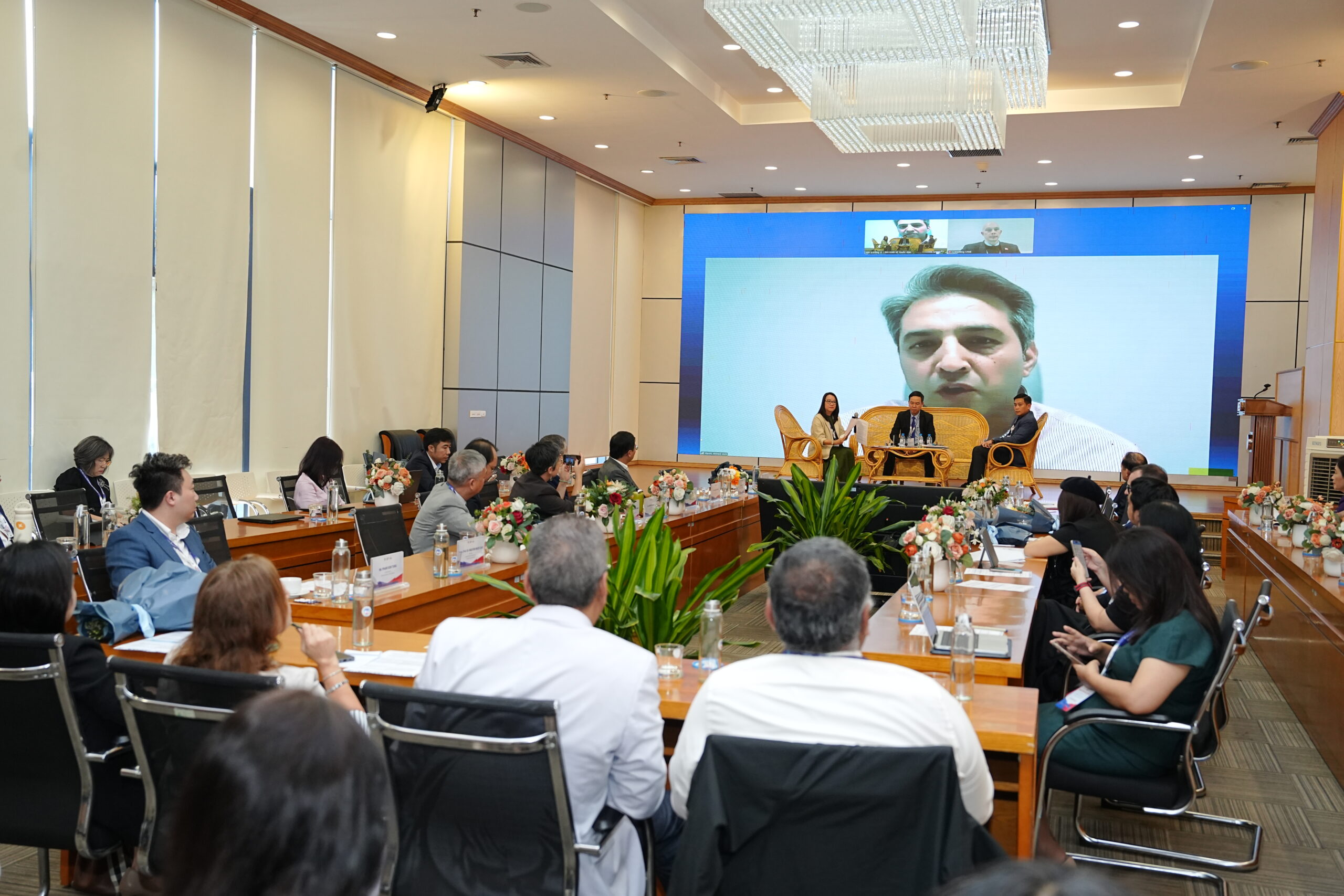
An overview of the ThinkTNE Dialogue 2026 forum
As higher education internationalisation becomes an increasingly important strategic priority, Transnational Education (TNE) is creating significant opportunities for higher education institutions to expand international partnerships, share resources, enhance educational quality and strengthen academic connections globally. However, for TNE to develop effectively and sustainably, collaborative programmes need to be built on alignment between individual institutions’ development strategies and national priorities, while responding to the practical needs of learners and the labour market.
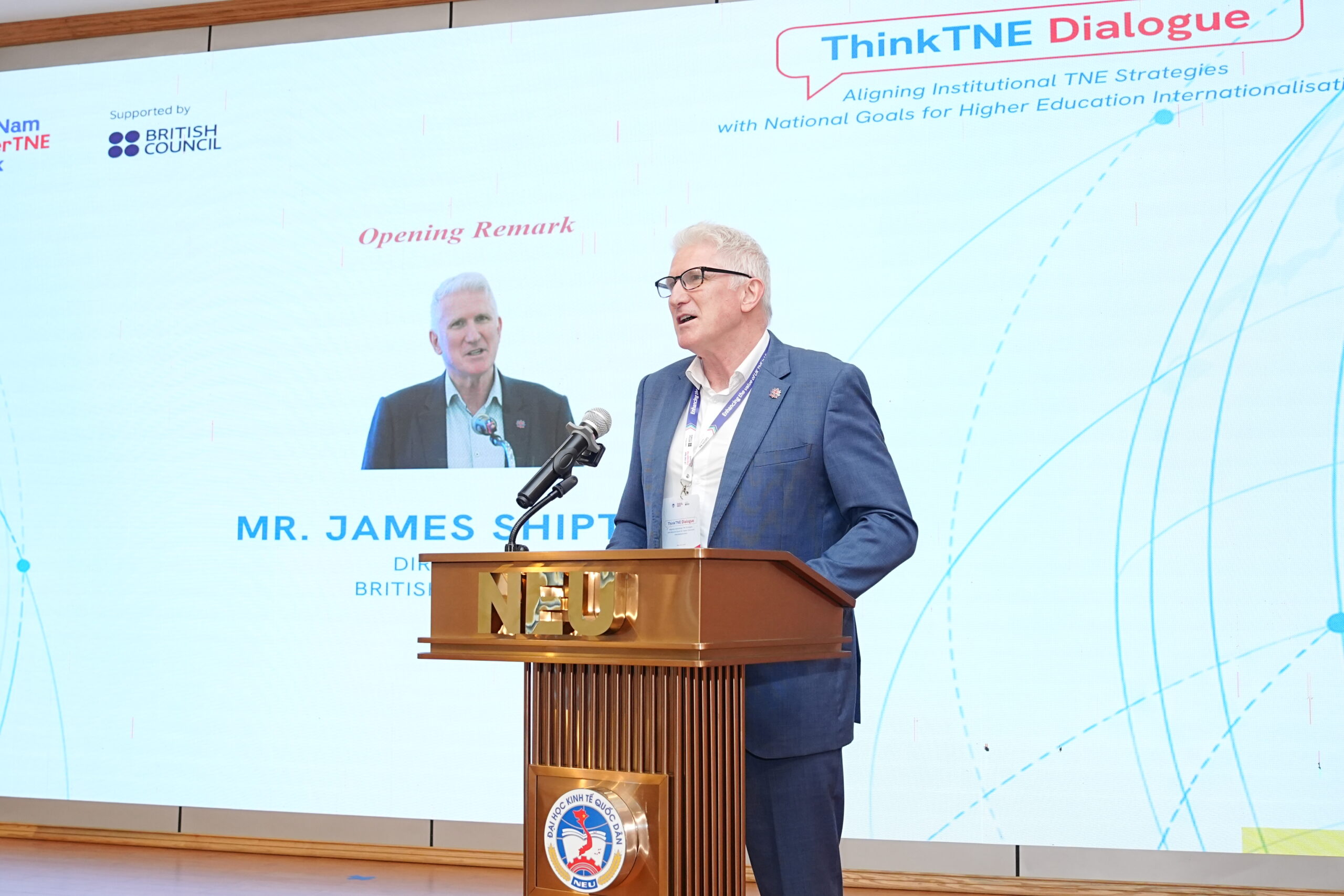
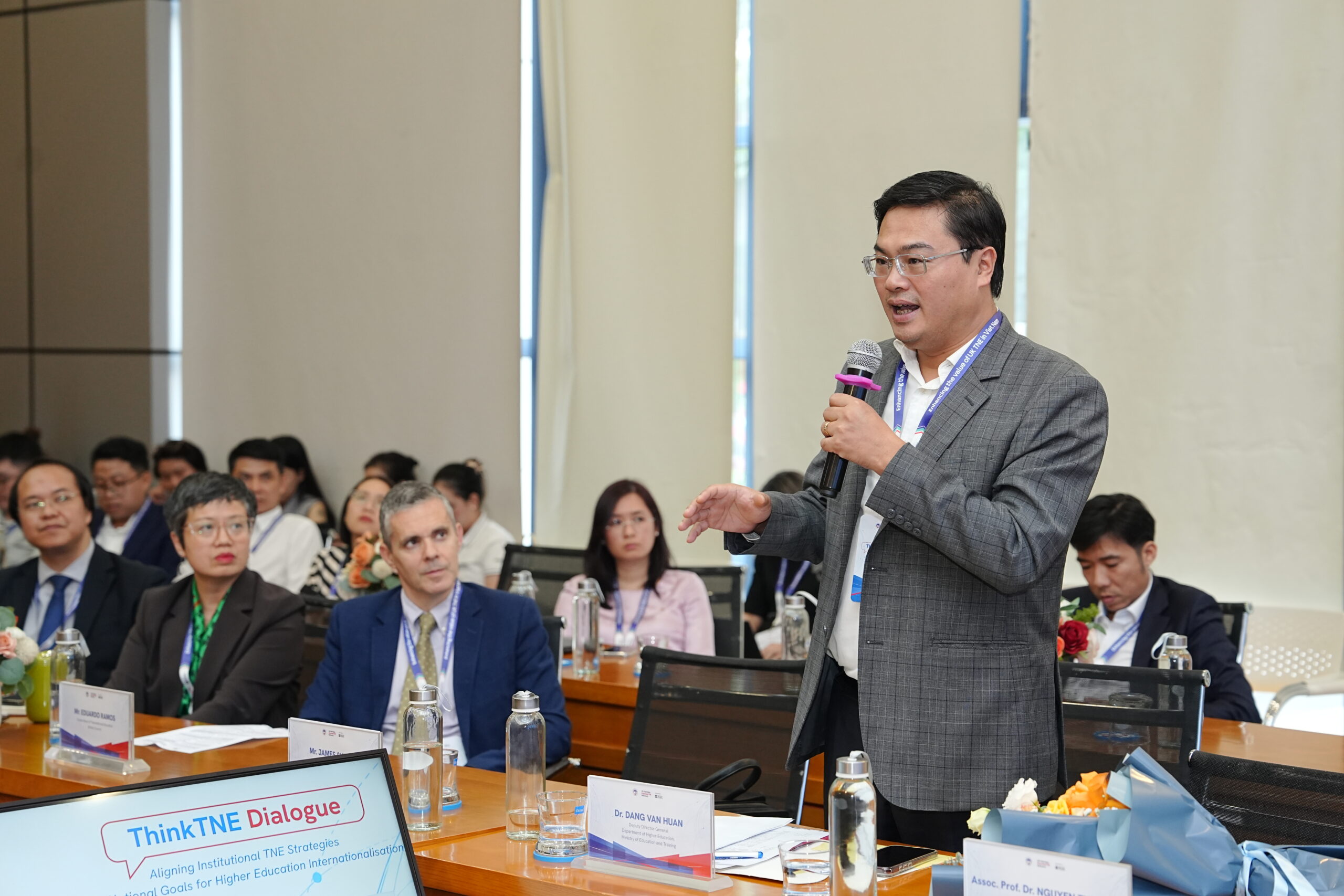
The forum was attended by representatives from the Ministry of Education and Training (MOET), including Assoc. Prof. Dr. Nguyen Thu Thuy – Director General of the Department of International Cooperation, and Dr. Dang Van Huan – Deputy Director General of the Department of Higher Education; the British Council, represented by Mr. James Shipton – Director of the British Council in Viet Nam, and Mr Eduardo Ramos – Global Head of Transnational Education; and National Economics University, represented by Prof. Dr. Nguyen Thanh Hieu – Vice President, Assoc. Prof. Dr. Le Trung Thanh – Dean of International school of Management and Economics, and Dr. Dao Thanh Tung – Head of the Department of International Cooperation. The event also welcomed leaders and representatives from Vietnamese and international universities, educational organisations, businesses and experts in the education sector. This diversity of participants brought together perspectives on policy, university governance, international cooperation and labour market demands.
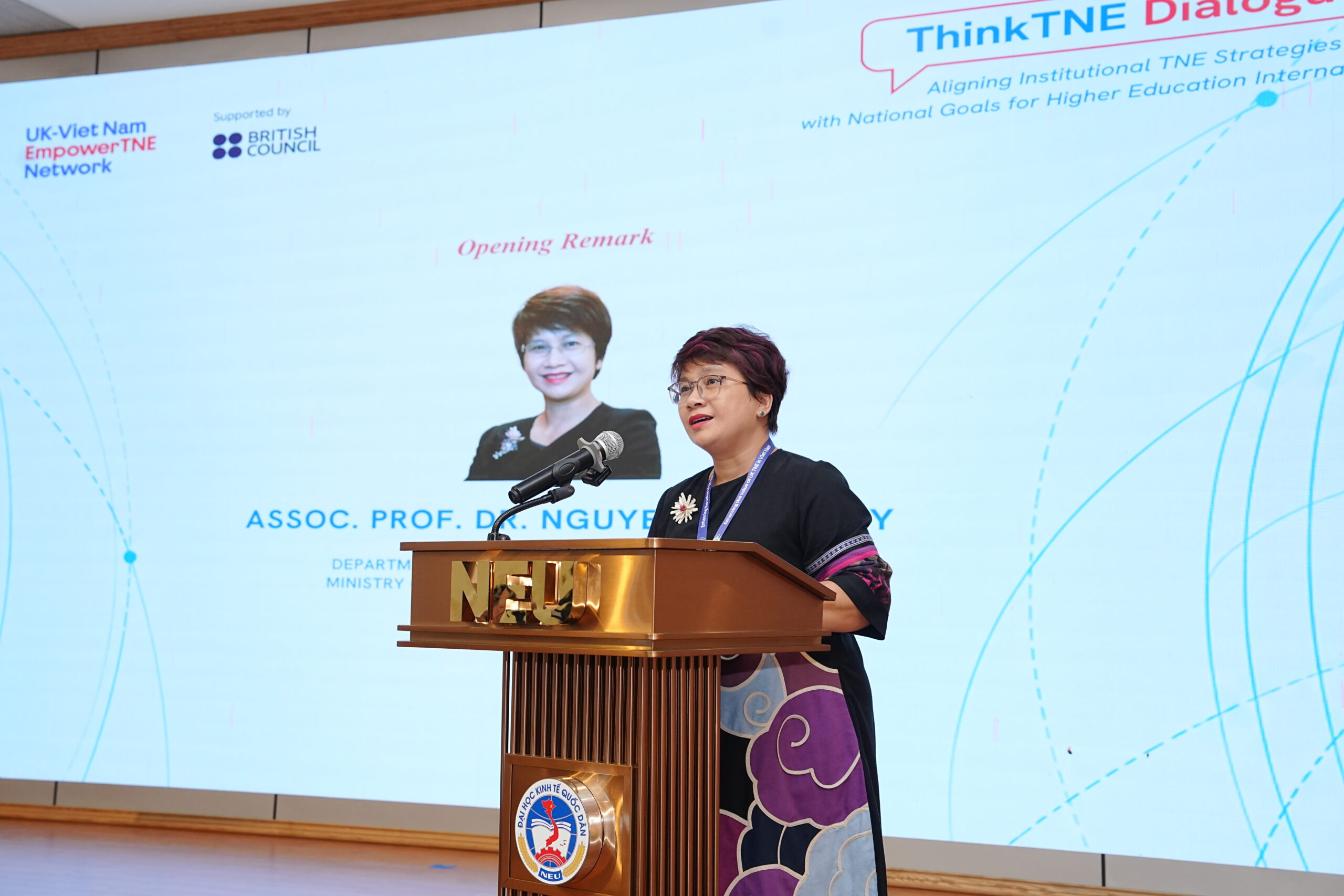
Assoc. Prof. Dr. Nguyen Thu Thuy, Director General of the Department of International Cooperation, delivers the opening remarks
In her opening remarks, Assoc. Prof. Dr. Nguyen Thu Thuy, representing the Ministry of Education and Training, affirmed that “higher education internationalisation remains a top priority for Viet Nam in its strategy to enhance academic quality, promote international integration and develop a highly skilled workforce to serve the knowledge economy.”
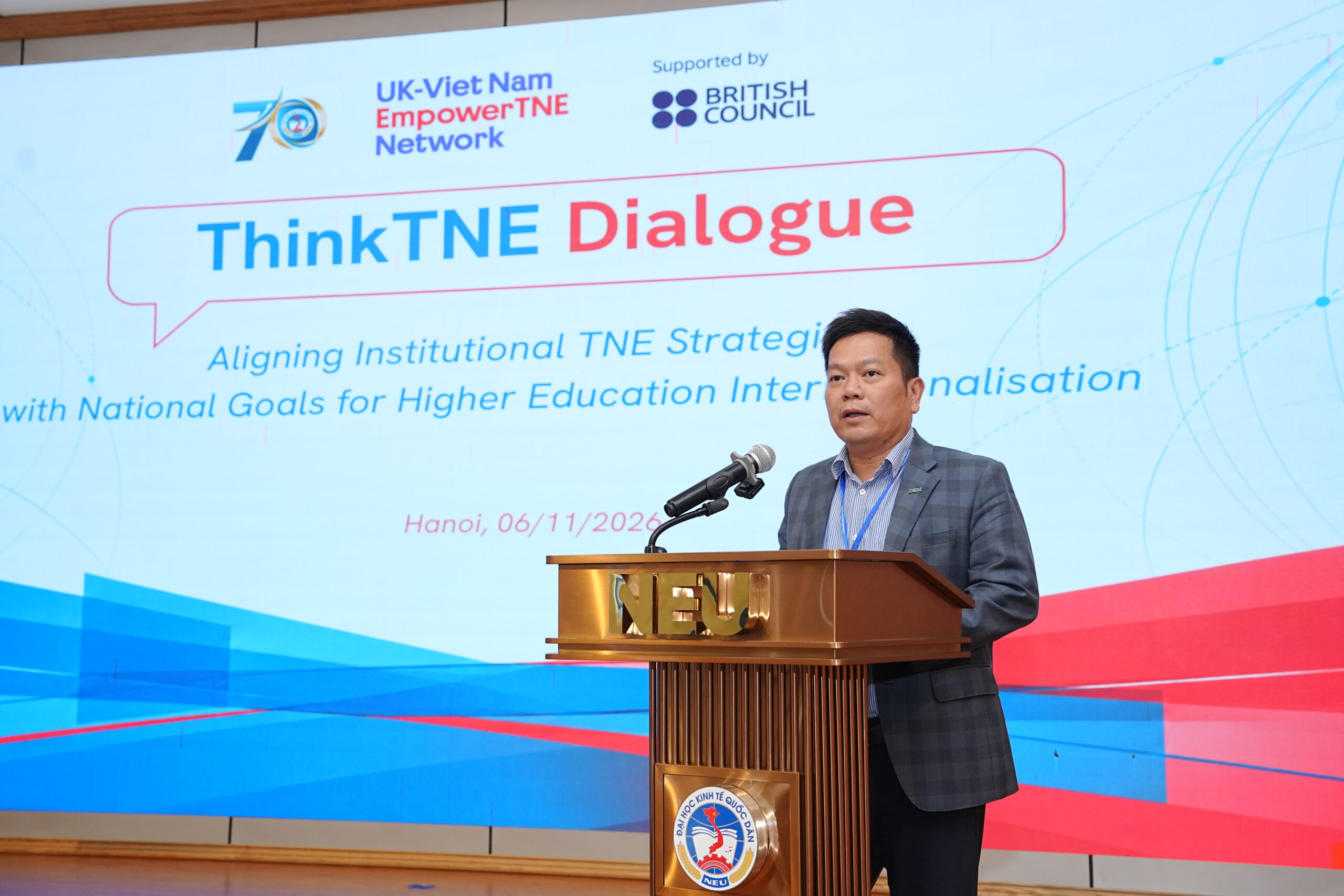
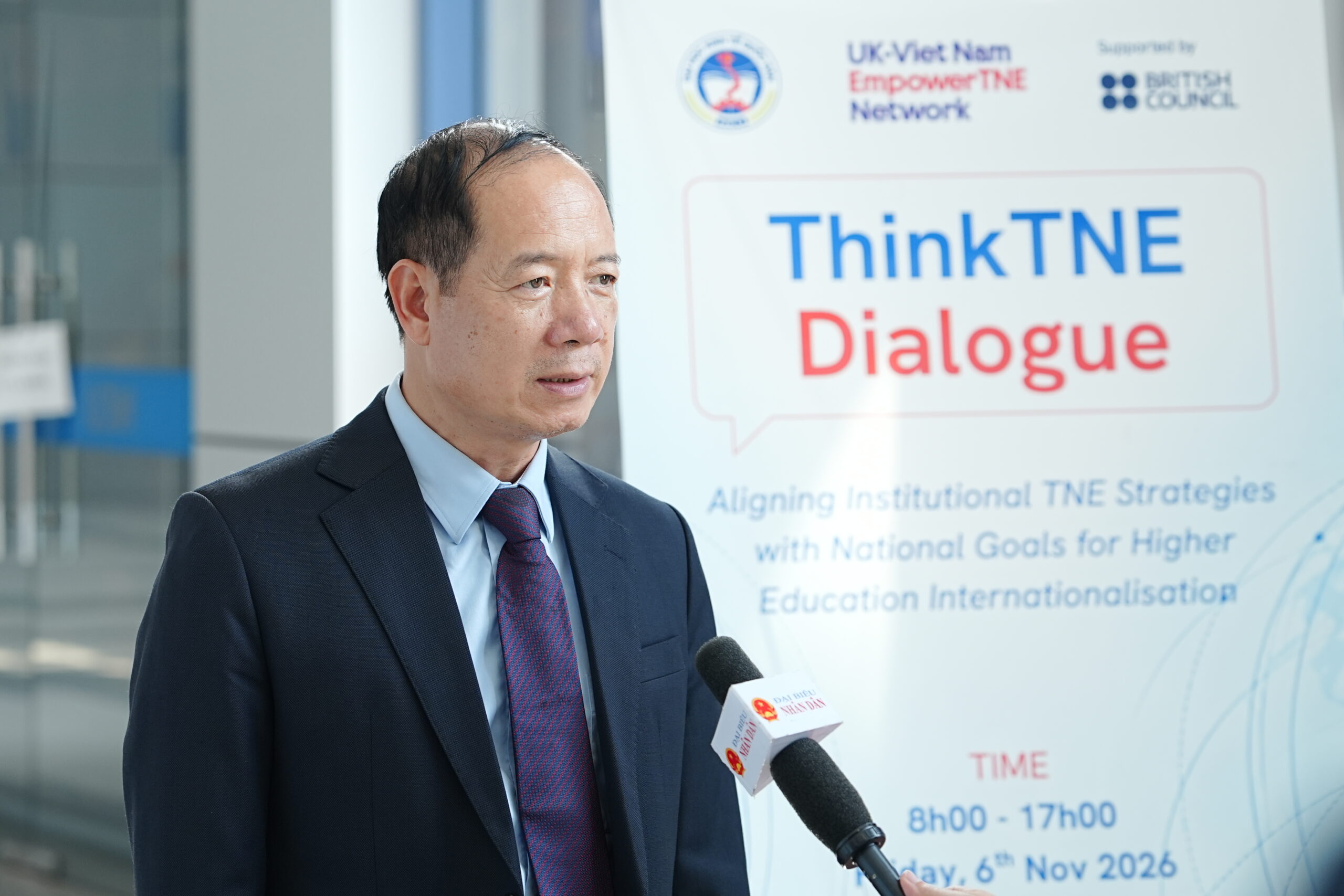
Prof. Dr Nguyen Thanh Hieu, Vice President of NEU, affirms that internationalisation is a strategic priority for NEU
At the event, Prof. Dr Nguyen Thanh Hieu, Vice President of NEU, highlighted that internationalisation in education and scientific research is one of the University’s four strategic priorities under its Development Strategy for 2026–2035, with a vision to 2045. NEU aims to become one of the world’s top 500 universities by 2045, building on its strengths in economics, business and management.
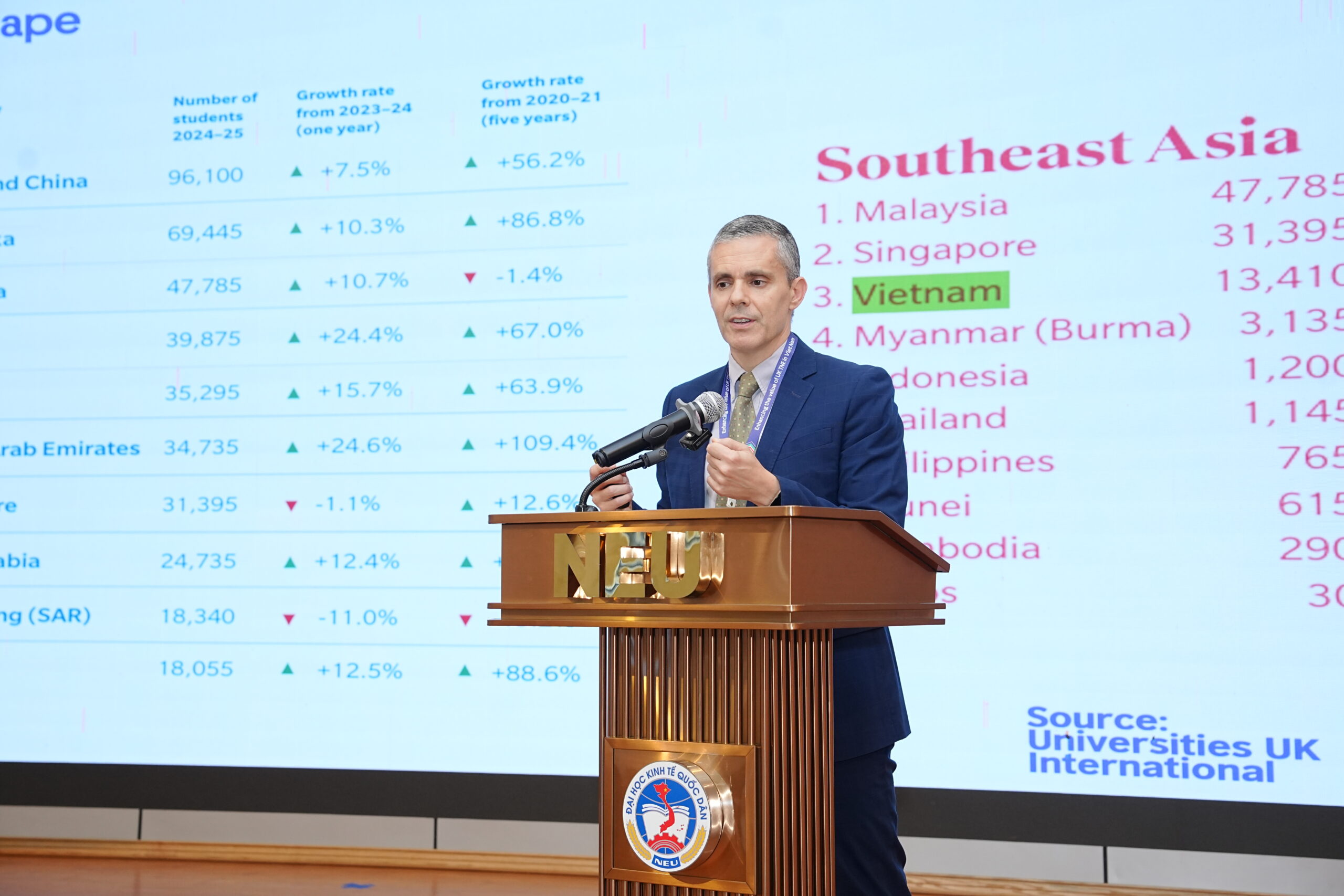
Mr. Eduardo Ramos, Global Director of Transnational Education at the British Council, shares insights into the challenges and opportunities for UK–Viet Nam TNE cooperation
The keynote session opened with a presentation entitled “TNE: Market Trends, Challenges and Opportunities for UK–Viet Nam TNE Development”, delivered by Mr. Eduardo Ramos – Global Head of Transnational Education, British Council. His presentation provided an overview of global TNE trends and explored the challenges and opportunities for TNE cooperation between the United Kingdom and Viet Nam. Viet Nam was highlighted as one of the fastest-growing TNE markets in Southeast Asia, with enrolment in UK TNE programmes having increased by more than 200% over the past five years, as noted in the presentation. Against this backdrop, the British Council identified four key priorities in its global TNE strategy: developing data and market insights; safeguarding quality and reputation; advancing policy and growth; and maximising transformative impact.
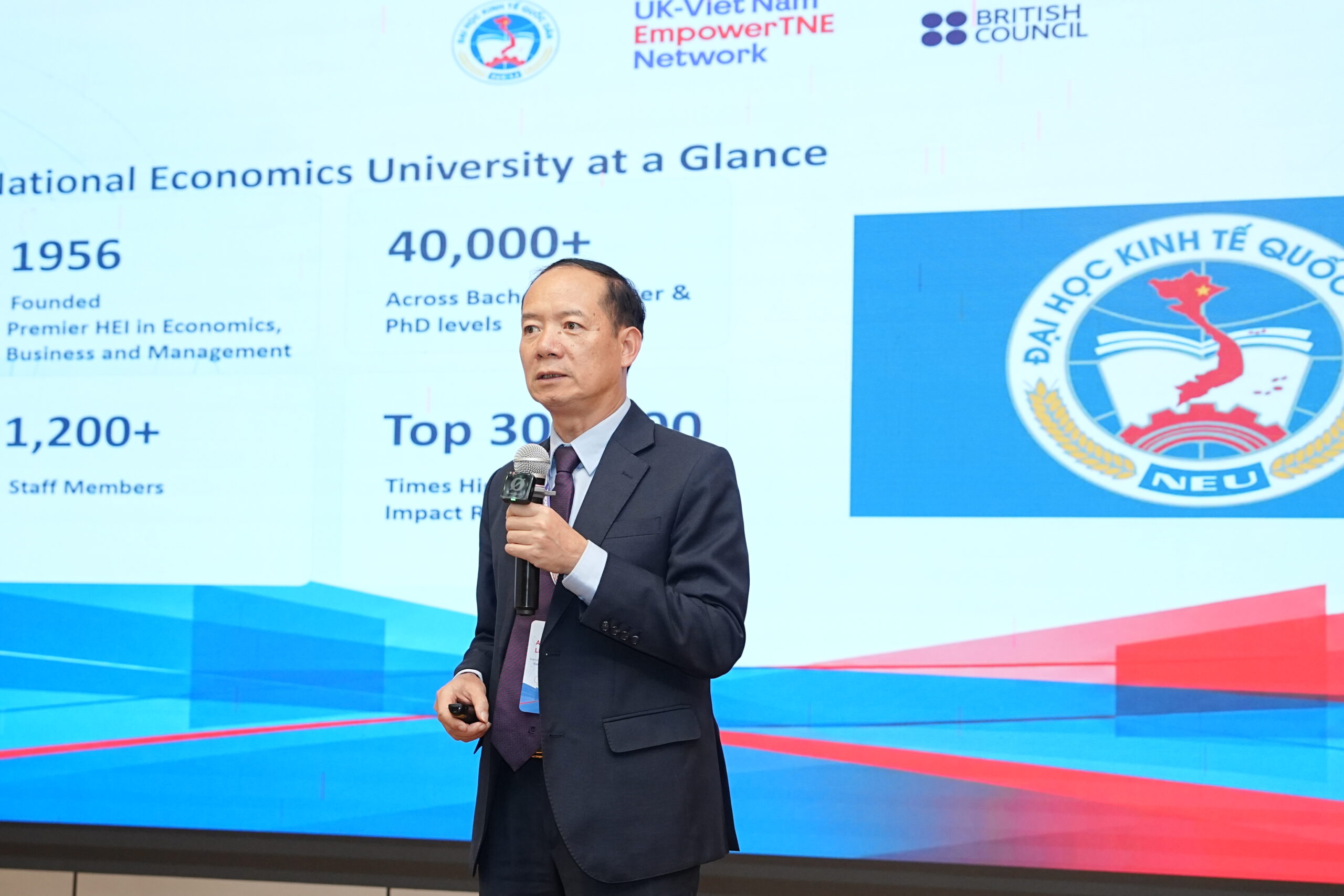
Assoc. Prof. Dr. Le Trung Thanh – Dean of ISME, shares NEU’s journey in developing TNE programmes
Following this, Assoc. Prof. Dr. Le Trung Thanh, Dean of ISME@NEU, shared the University’s journey in developing TNE programmes through different phases, from learning about international partnership models and implementing programmes to expanding their scale and proactively developing partnership strategies. Drawing on its experience in delivering a range of academic programmes and its network of international academic partners, NEU is pursuing new development priorities, including strengthening strategic partnerships, expanding interdisciplinary programmes, promoting student mobility, connecting research with industry, and gradually enhancing the University’s role within the regional TNE ecosystem.
A key highlight of ThinkTNE Dialogue 2026 was its three in-depth panel discussions, which addressed practical issues relevant to the strategic planning and implementation of TNE programmes.
The first panel focused on the relationship between institutional TNE development strategies and national priorities for higher education internationalisation.
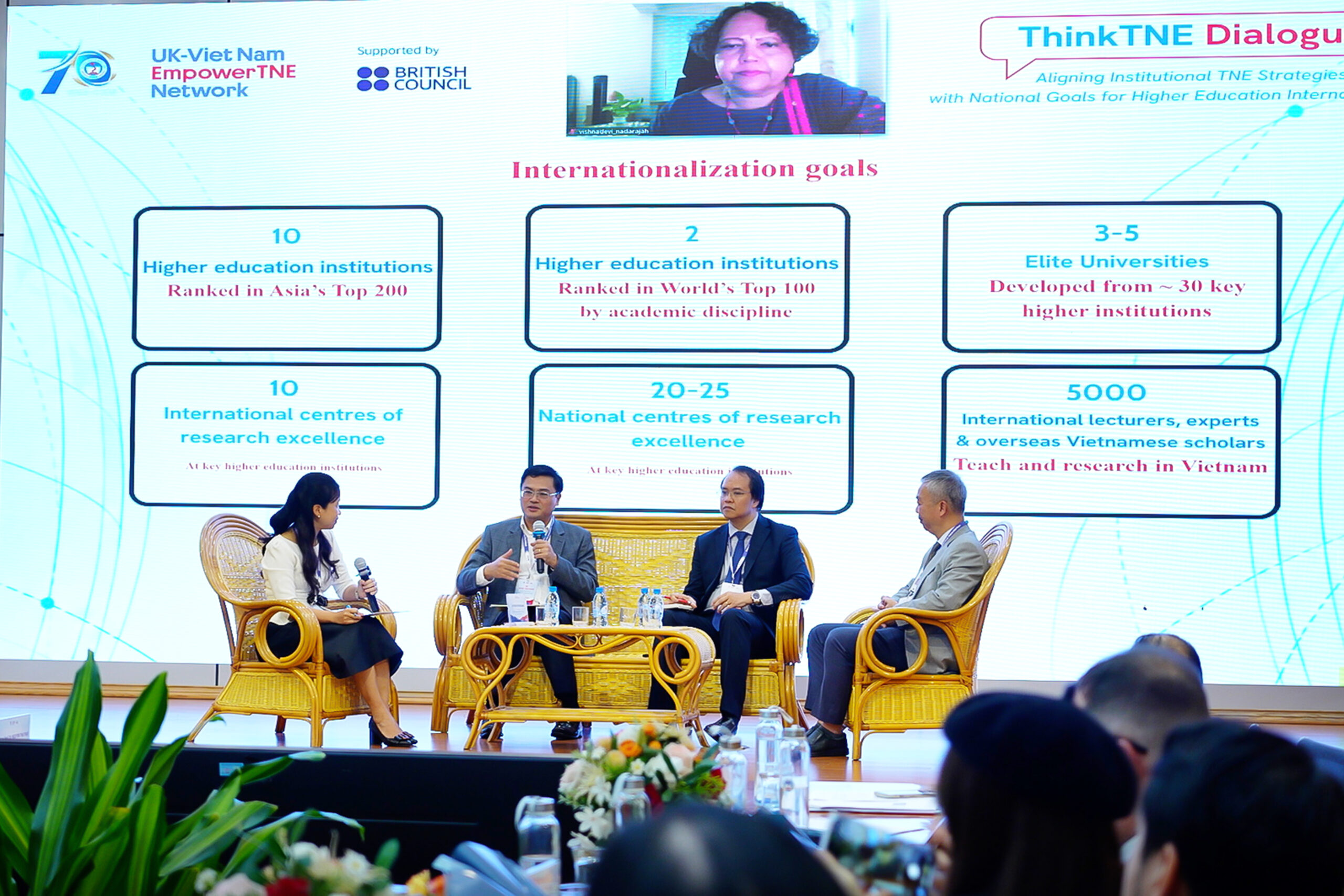
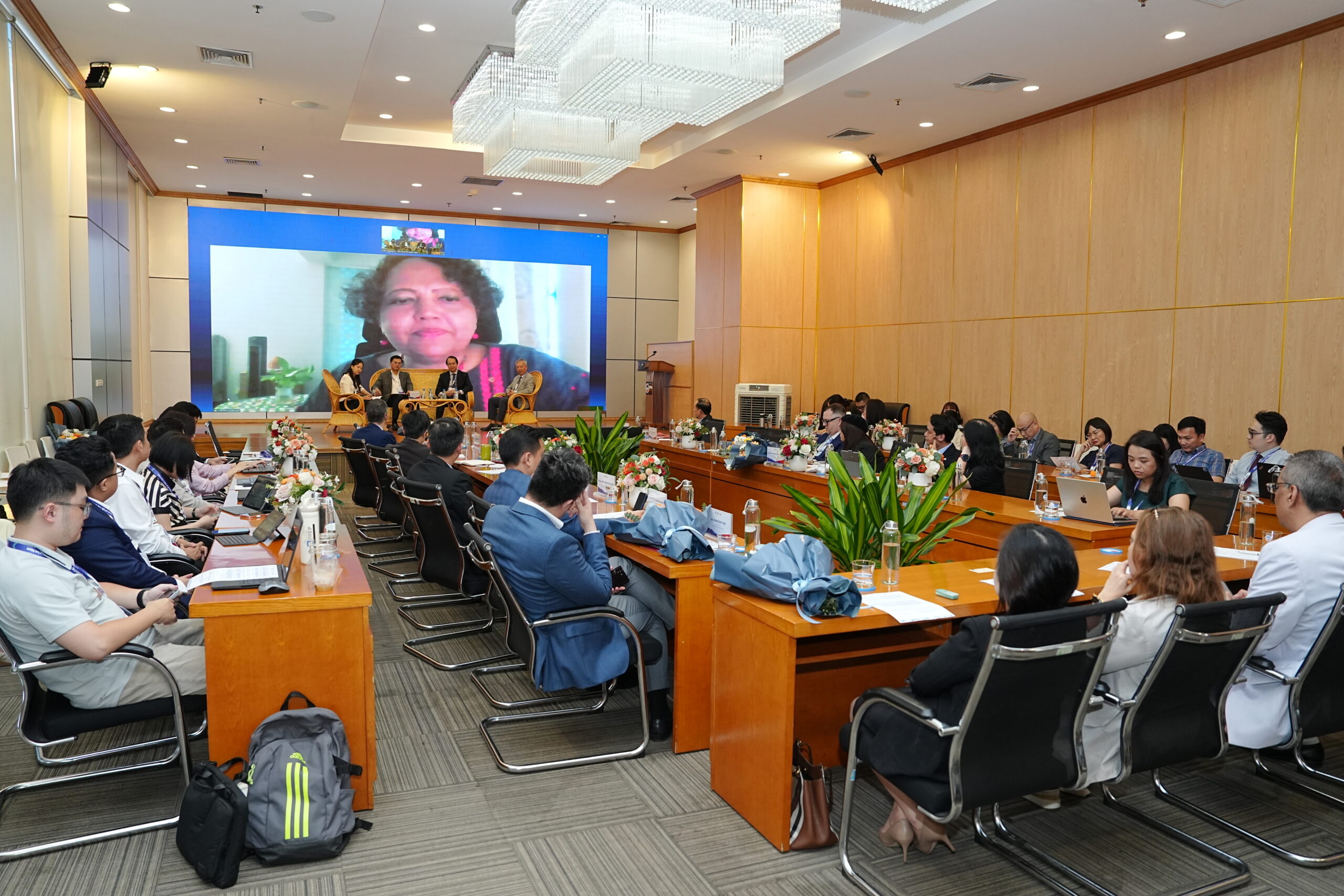
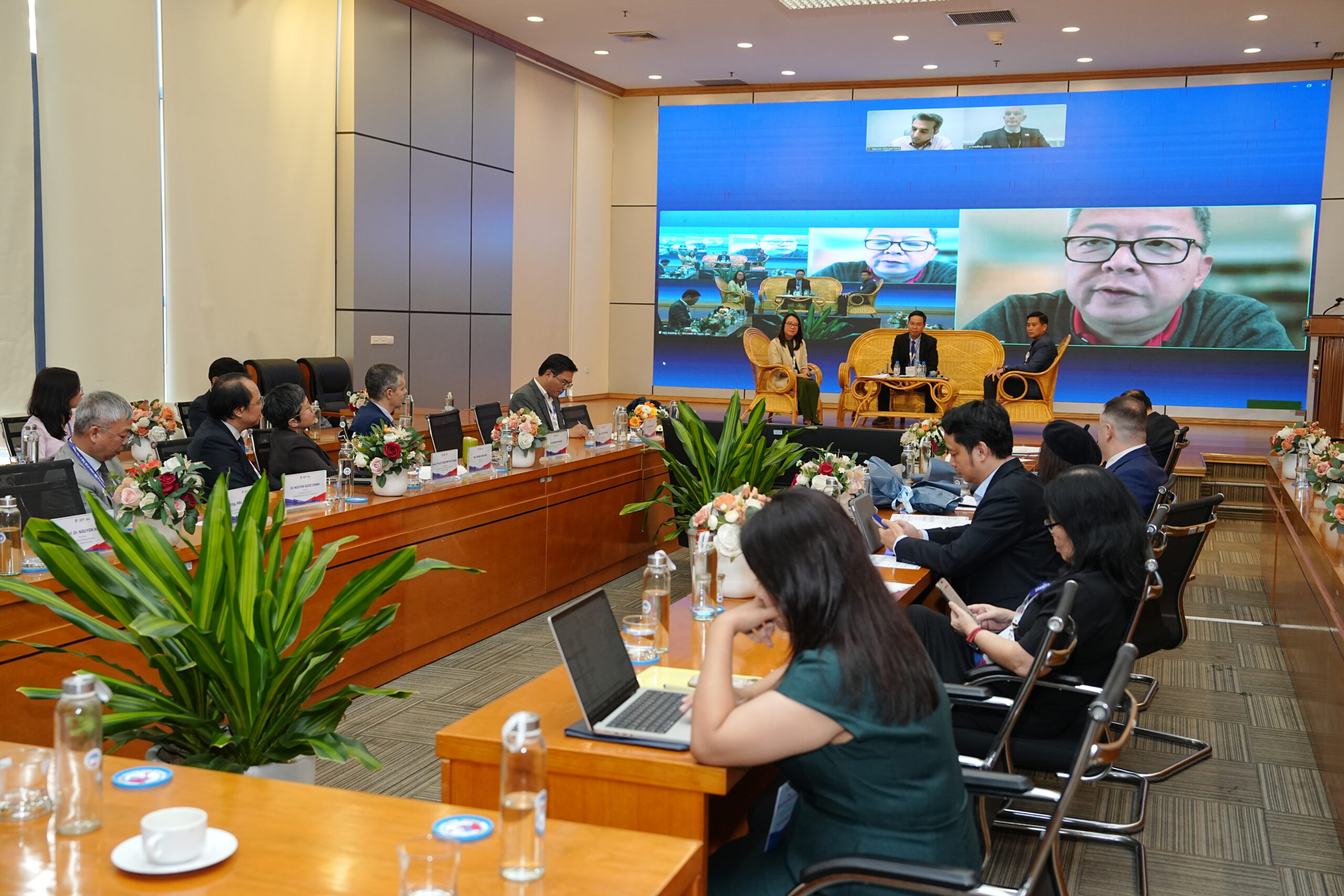
Panel 1 explores the relationship between TNE development strategies and national goals
Drawing on institutional experiences, representatives from the Ministry of Education and Training, Phenikaa University – whose representative also serves as Chair of the UK–Vietnam EmpowerTNE Network – International University, Viet Nam National University Ho Chi Minh City, and IMU University (Malaysia) shared perspectives on programme development, partnership building and aligning TNE with each institution’s strategic direction.
Alongside the opportunities, the discussion highlighted several significant challenges. These included the potentially higher tuition fees of TNE programmes compared with domestic programmes; uneven academic, English-language and research capabilities among staff; and policy, regulatory and implementation issues that require further clarification. Participants emphasised that sustainable TNE development needs to be supported by institutional autonomy, accountability, quality-based monitoring mechanisms and policies that strengthen institutional capacity.
While the first panel positioned TNE within the broader context of institutional strategy and national policy, the second explored how higher education institutions can build substantive and effective partnerships. A recurring message from the speakers was the importance of value co-creation. This approach involves partners jointly engaging in curriculum design, teaching development, research activities, academic governance and quality assurance.
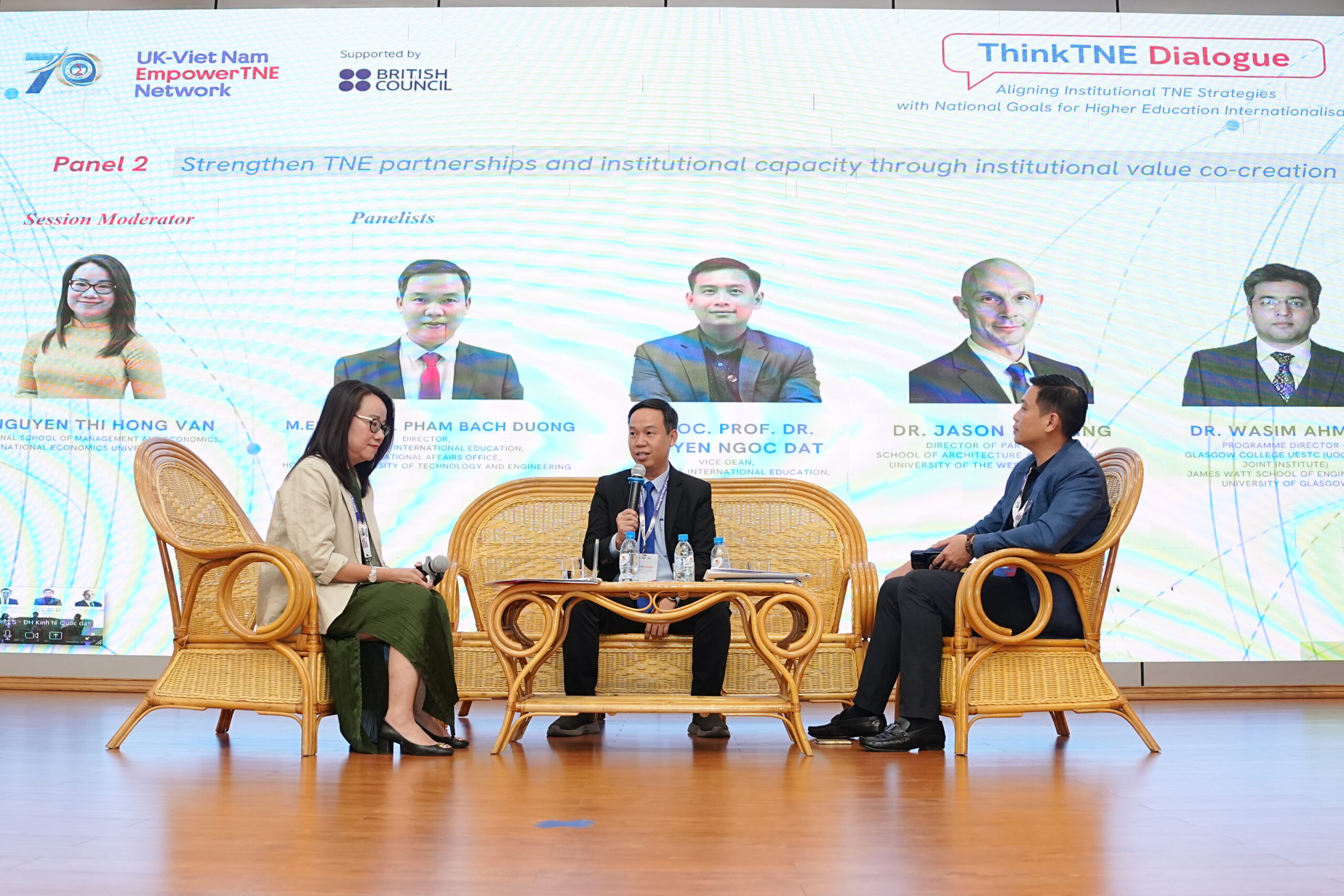
Panel 2 explores approaches to building substantive partnerships between higher education institutions
Experiences shared by the University of the West of England (UWE), the partnership between the University of Glasgow and the University of Electronic Science and Technology of China (UESTC), as well as insights from Foreign Trade University and Ho Chi Minh City University of Technology and Engineering, demonstrated the importance of joint governance mechanisms, staff development, academic exchange and professional communities of practice.
Participants also discussed the conditions required to create long-term value through partnerships, including mutual trust, operational capacity, financial resources, the ability to adapt to different regulatory frameworks and clear implementation guidance.
The third panel broadened the discussion of TNE beyond individual institutions to consider learners’ entire development journey, from secondary education and higher education to the labour market.
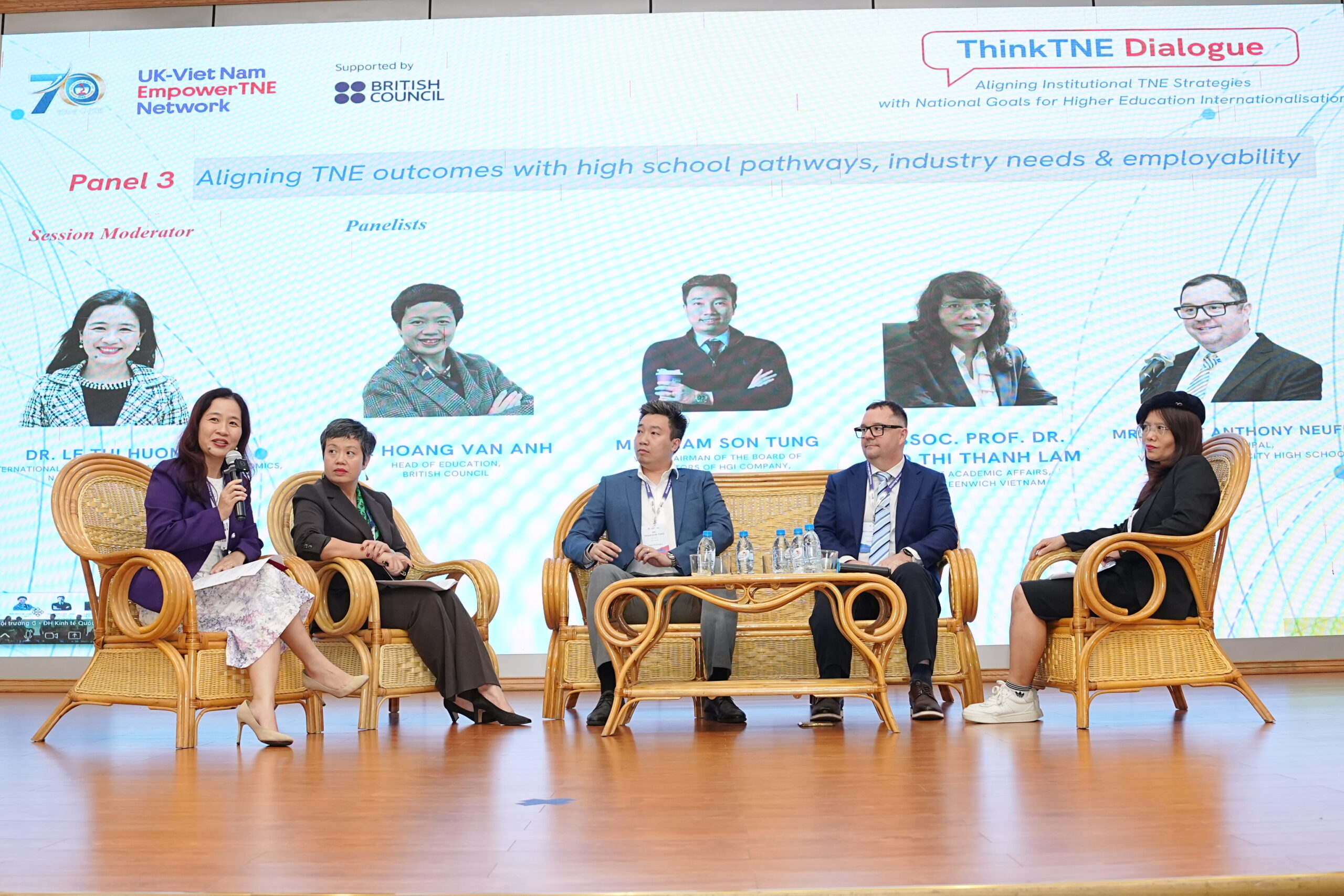
Panel 3 broadens the discussion of TNE to encompass the development journey of learners
Speakers representing Vinschool Times City High School, FPT Greenwich Vietnam, the British Council, businesses and employers shared perspectives from secondary education, higher education, international educational organisations and industry. The capabilities highlighted as increasingly important in a rapidly changing labour market included critical thinking, lifelong learning, adaptability, communication, collaboration and a proactive sense of ownership and responsibility.
A key issue raised by participants was the gap between education and employment. To bridge this gap, educational institutions need to strengthen early career guidance and provide secondary school students with opportunities to experience university environments through campus visits, sample lectures, workshops and joint projects. At the same time, stronger engagement with businesses is needed through mentoring, job shadowing, internships and practical problem-solving projects.
The ACT TNE/AI Challenge was cited as an example of an initiative connecting secondary school students, university students and businesses, thereby promoting cross-level learning experiences and the development of applied competencies in the context of digital transformation and artificial intelligence.
As the host institution, National Economics University continues to affirm its strategic commitment to strengthening international cooperation, expanding connections with educational partners and promoting academic exchange in higher education.
Through the International school of Management and Economics – ISME and its international partnership and networking activities, NEU aims to contribute actively to the development of high-quality international education models, strengthen connections between Vietnamese and UK educational institutions, and create further opportunities for cooperation.
By focusing on the alignment of TNE strategies, the forum not only raised important questions about the future direction of TNE development but also highlighted the need for substantive collaboration among policymakers, universities, international partners and businesses.
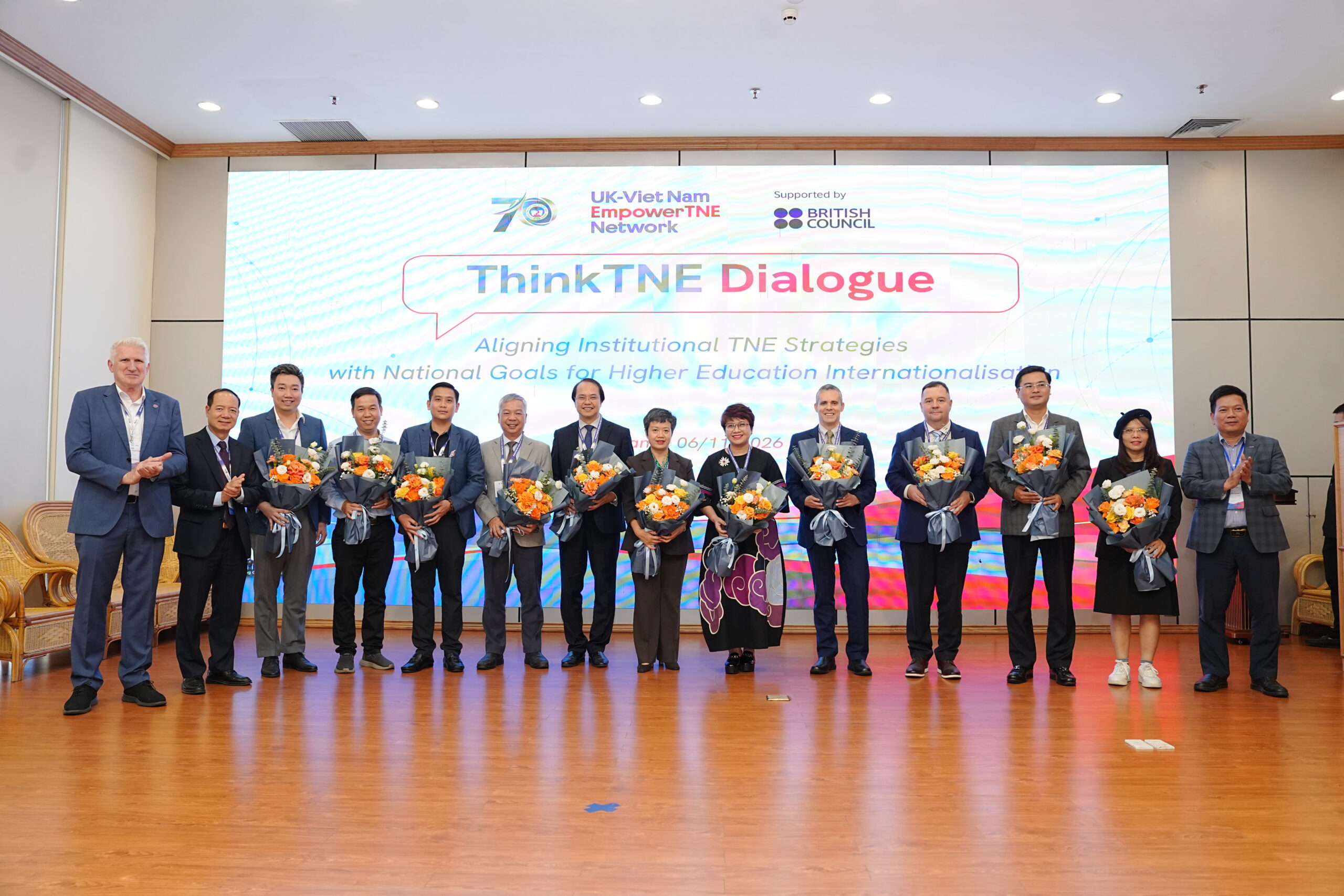
Further photos from the event: